How to Choose las vegas top Tree Trimming Services for Healthy and Well-Maintained Trees
How to Choose las vegas top Tree Trimming Services for Healthy and Well-Maintained Trees
Blog Article
Specialized Arboriculture Services for a Greener Landscape
Specialized tree maintenance services are critical for sustaining a yard's condition and visual appeal. These trained experts inspect tree health and cut away diseased branches, supporting growth and security. Routine trimming not only boosts curb attractiveness but also minimizes the likelihood of damage during storms. Grasping the nuances of arboreal health and correct practices can deliver a considerable change. However, numerous property owners disregard vital parts of this work, creating questions about their choices and outcomes.
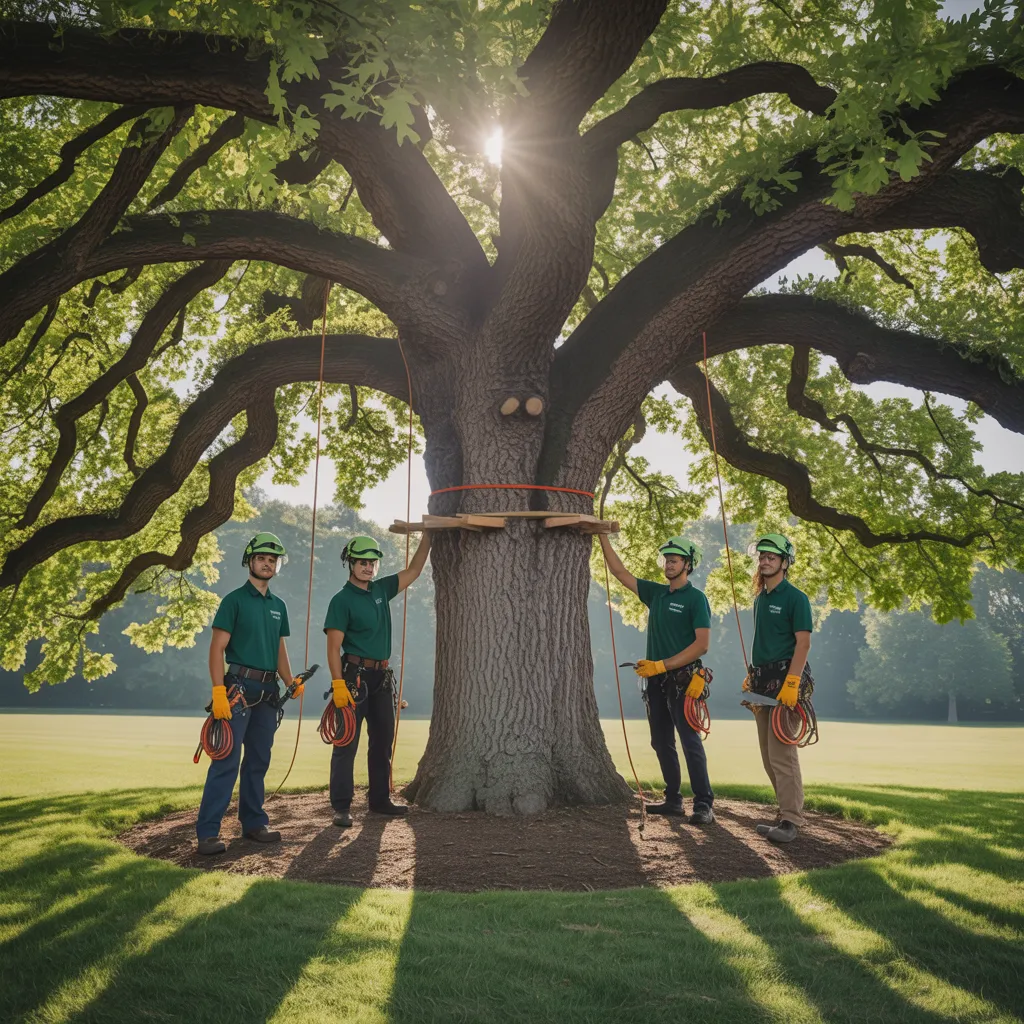
The Significance of Professional Tree Trimming for Your Home's Safety and Visual Appeal
Professional tree trimming improves both the safety and aesthetic appeal of a home. By eliminating diseased or excessive branches, homeowners reduce risks associated with falling debris during storms, thereby safeguarding both their property and loved ones. Furthermore, properly cared for trees contribute positively to the overall landscape aesthetics of a landscape, promoting a welcoming atmosphere.
Regarding safety, professional trimming nurtures superior tree development by allowing improved light penetration and airflow. This method aids trees in building a robust framework, lessening the chances of disease and pest infestations. A seasoned arborist can recognize which limbs to trim, making sure that the tree's inherent form is maintained while boosting its visual appeal. Consistent pruning not only protects the house but also enhances its visual appeal, rendering it increasingly attractive to guests and potential buyers. Making professional tree trimming a priority is an important step in preserving a safe and beautiful space.
Top Benefits of Routine Tree Trimming for Your Yard
Regular tree trimming provides numerous advantages that significantly improve the landscape. One of the main benefits is better tree health, as trimming eliminates dead or diseased branches, allowing the tree to concentrate its energy on healthy growth. In addition, regular trimming encourages improved air circulation and sunlight penetration, which can lead to a more lively and lush yard.
Aesthetic attractiveness is another notable advantage; well-trimmed trees create a more polished and visually attractive environment. Moreover, regular maintenance can prevent potential dangers, such as falling branches, which is crucial for safety. It can also help increase property value, as a well-maintained landscape is often more attractive to prospective buyers.
Ultimately, tree trimming stimulates new growth and can lead to a more durable tree structure, making it resilient against storms and other environmental stresses. Overall, these benefits emphasize the importance of integrating consistent trimming practices into landscape care.
How Arborists Inspect Tree Health for Trimming
In what manner do tree care professionals evaluate the condition of a tree before trimming? Their assessment starts with a visual inspection, concentrating on the tree's overall structure, leaf condition, and any signs of illness or pest infestation. Arborists examine the trunk for description splits, decay, or lesions, which can suggest underlying wellness concerns. They also assess the root network to ensure stability and proper nutrient uptake.
Subsequently, they evaluate the tree's age and species, as different types have specific growth patterns and needs. Arborists analyze environmental factors, such as soil quality, light exposure, and surrounding vegetation, which can impact tree health.
At last, they may leverage tools such as soil tests or bark probes to gain deeper insights. This comprehensive evaluation allows arborists to make informed decisions about trimming, making certain each cut advances the tree's health and longevity while enhancing the overall landscape.
Popular Tree Trimming Techniques You Ought to Know
Tree trimming employs various methods tailored to promote healthy growth and aesthetic appeal. One common method is thinning the crown, which includes selectively eliminating branches to enhance sunlight exposure and air circulation within the tree. This technique improves overall condition while preserving the tree's natural shape. Another typical approach is crown reduction, used to lower the height of a tree while maintaining its structure. This is particularly beneficial for trees that pose a risk to nearby structures. Additionally, the technique of deadwooding concentrates on eliminating dead or diseased branches, stopping the spread of pests and diseases. Finally, directional pruning promotes growth in specific directions, allowing for improved landscape design and avoiding obstructions. Understanding these techniques allows property owners to make well-reasoned decisions about their tree care, ensuring a healthier and more visually attractive landscape.
Determining the Optimal Tree Trimming Services
When choosing tree trimming providers, what elements should be taken into account to guarantee excellence and security? First, it is vital to assess the company's qualifications, including certifications and insurance. A reliable service should have skilled professionals who comprehend tree science and proper trimming methods. Next, customer reviews and feedback can provide information into the company's reliability and workmanship.
Moreover, obtaining various bids allows for a analysis of rates and services provided, confirming a just exchange. It's also prudent to inquire about the apparatus employed, as modern instruments can boost protection and performance.
Furthermore, examining the company's compliance with local regulations and environmental practices reflects its commitment to responsible tree care. Finally, open dialogue with the service provider about specific needs and expectations can lead to a more satisfactory outcome. By considering these factors, property owners can make an informed choice that promotes a more vibrant landscape.
Guidelines for Readying Your Landscape Before Tree Trimming?
Beginning a outdoor space for tree trimming with evaluating the vitality of the trees helps determine the best approach. Removing adjacent debris provides a safe working environment, while visibly identifying the areas designated for trimming eliminates any misunderstandings during the process. These steps are important for an effective and productive tree trimming service.
Examine Tree Vitality Prior to Other Steps
How might someone assure a productive tree trimming process? Examining tree condition is critical before any trimming begins. A detailed inspection of the tree can identify evidence of disorder, pest invasions, or physical vulnerabilities. This appraisal facilitates well-reasoned choices about which branches to trim and which to leave intact, ultimately promoting the tree's overall vitality.
Additionally, studying the tree's surroundings, such as soil condition and surrounding vegetation, can provide insights into its durability. Trees in good condition are better prepared to rebound from trimming, guaranteeing that the landscape remains vibrant. By focusing on tree health, one establishes for effective trimming that enhances not only the individual tree but also the landscape as a whole.
Clear Surrounding Waste
Clearing surrounding waste is an essential step in preparing a landscape for tree trimming. This procedure involves removing any fallen branches, leaves, and other materials that could obstruct the work area. By ensuring a tidy space, tree trimming professionals can operate more efficiently and securely. Debris removal also reduces the risk of accidents, such as slips or trips, which could endanger both workers and equipment. Additionally, a tidy environment allows for better visibility, enabling the crew to identify potential hazards and assess the tree's condition more accurately. Homeowners should also consider relocating outdoor furniture or decorations that may interfere with the trimming process, further facilitating a smooth operation and contributing to the overall health of the landscape.
Identify Pruning Areas Obviously
Clearly designating trimming areas is vital for an streamlined tree trimming process. This practice helps confirm that both the trimmers and the property owner understand which branches or sections will be trimmed. To correctly mark these areas, the use of marking devices can be advantageous. These indicators should be placed at a visible distance from the tree, allowing the crew to recognize the target zones quickly. Additionally, informing neighbors about the trimming schedule can prevent misunderstandings and guarantee safety. Properly marking these areas minimizes the risk of accidents and helps maintain the overall health of the landscape, making the tree trimming process smoother and more organized.
Frequently Requested FAQs
How Often Should I Plan Tree Trimming Services?
Tree trimming services should typically be scheduled every 1 to 3 years, depending on the tree species, rate of growth, and local climate conditions. Regular assessments can support the maintenance of tree health and prevent potential hazards.
When Should You Trim Trees? Finding the Ideal Season
The optimal period for cutting back trees is late winter to early spring, before new growth begins. This timing decreases stress on the trees and enables faster mending, fostering more robust and vigorous growth later.
Will Tree Trimming Harm My Trees?
Trimming trees can injure them if done too frequently or incorrectly, leading to stress, disease, or structural issues. However, when performed correctly and at right moments, it boosts health and longevity in trees. Proper techniques are critical.
Is It necessary for Me to Be Home During the Trimming?
Homeowner attendance during tree trimming is usually not required. Professionals can skillfully execute the job independently, guaranteeing safety and quality. However, some may choose to be home for communication purposes and direct concern resolution.
How Much Will Professional Tree Pruning Typically Expense You?
Tree trimming services generally runs between $200 and $1,500, contingent upon factors such as tree size, location, and job complexity. Additional fees may apply for expert services or emergency calls.
Report this page